Mentors who work in this field, not just talk about it.
Our mentors and partners come from defense, research, industry and beyond - people who can sit down at your table, look at your project, and tell you straight whether it holds up.

Mirosław Pałysiewicz – a member of the Tri-City tech communities, he co-created the CUMY makerspace on the grounds of the Gdańsk Shipyard.
He works in parametric design and 3D modeling using environments such as FreeCAD and Fusion 360, preparing models for 3D printing, CNC milling, and laser cutting.
He has experience working with the CAD–CAM–CAE workflow, geometry optimization, tolerance analysis, and preparing mechanical designs for prototyping.
He runs workshops and training sessions on 3D printing, CAD design, IoT, and the use of open-source tools in the rapid prototyping process.
He combines 20 years of experience in IT and software testing with hands-on engineering knowledge, promoting a maker-engineering approach and the integration of hardware and software technologies.
An enthusiast of new technologies, automation, and smart solutions, he actively promotes knowledge of digital fabrication, smart design, and STEAM education.
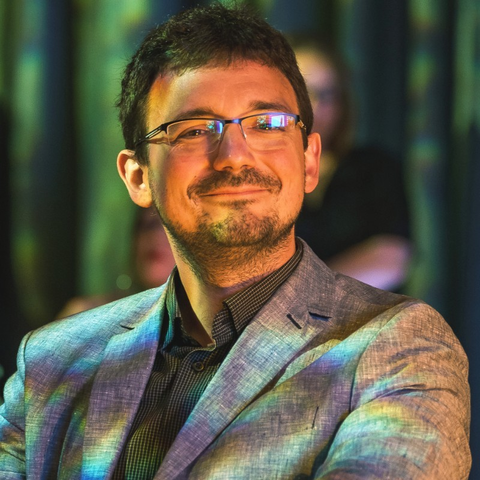
Andrzej Piotrowski is an experienced information security manager, engineer, and expert in GRC (Governance, Risk, and Compliance). He has been active in the technology industry for over a decade. He built his career across various engineering roles in international corporations. He combines deep technical knowledge in systems and software engineering with a rigorous approach to cybersecurity norms and standards.
For nearly 5 years he has been involved with ISSA Poland (Information Systems Security Association). He currently serves as the Organizer and Leader of the local ISSA Local Trójmiasto chapter. In this role, he is responsible for reactivating, integrating, and growing the local community of IT Security specialists in Gdańsk, Gdynia, and Sopot.
SEMAFOR Conference (IT Audit and Security Forum). ISSA Local meetings across Poland (where he presents, among other things, his own analyses of OSINT tools and threats on the Telegram network).
TheHackSummit / Warsaw IT Days / Health AI & CyberSec Summit - events where he spoke about the importance of GRC, hacking via WiFi and RF, and how hard it is to understand an auditor's job in the world of technology.
Gdańsk Embedded Meetup, connecting the world of embedded systems with cybersecurity (e.g. talks on threats to IoT and embedded systems in the maritime industry).
An electronics enthusiast focused on analog circuit design and radio technologies. Mentor and organizer of hardware workshops and initiatives related to OpenSilicon and ASIC/FPGA synthesis. Actively promotes education in microelectronics and open-source hardware projects.

Wiktoria Trzewińska - an administrator and member of the Team for Supporting the Polish ICT Sector in the GovTech Department.
She collaborates on organizing the largest events related to the ICT sector in public administration, including initiatives such as HackNation 2025 and 2026 - the first implementation-focused hackathon for public administration. She supports project coordination, the preparation of materials and applications regarding Poland's participation in international technology events, and activities promoting and developing the national ICT sector.
A graduate of the University of Warsaw in Information Space Architecture, she combines organizational, analytical, and design competencies. As a Baltic Dual Use mentor, she supports teams in refining project concepts, understanding user needs, and creating solutions with real-world applications in both the public and commercial sectors.
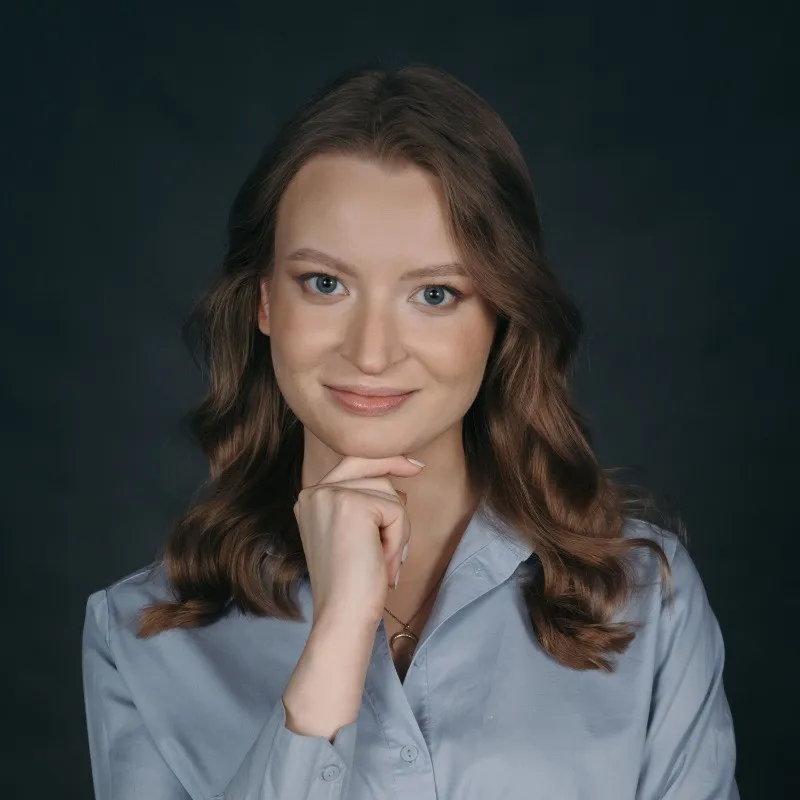
I work in the GovTech Poland Department at the Ministry of Digital Affairs, on projects related to innovation in the public sector, cooperation between administration and the technology industry, and hackathons. I have experience in strategic and project communication, analytical work, and creating coherent narratives around complex technological and public issues. My background also includes data analysis, digital sociology, and cognitive science.
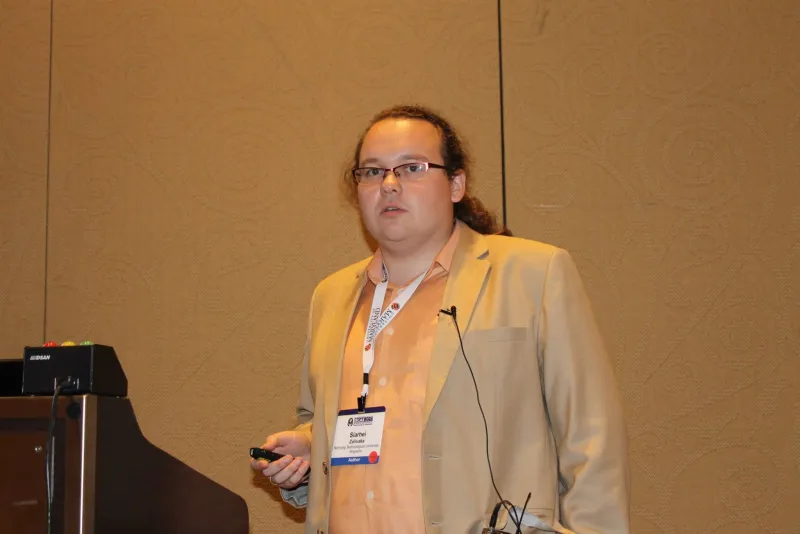
Dr. Siarhei Zalivaka received his Ph.D. from Nanyang Technological University (NTU) in Singapore, focusing on hardware security and reliable circuit design. He has published two book chapters, eight journal papers, and more than 20 conference papers. Currently, Dr. Zalivaka works as a data scientist leading a research team within the System on a Chip Department at SK hynix memory solutions Poland. At SK hynix, he has contributed to more than 20 patent applications as an author and over 50 as a facilitator. His work focuses on bridging hardware design verification and AI to improve the efficiency of SK hynix products.
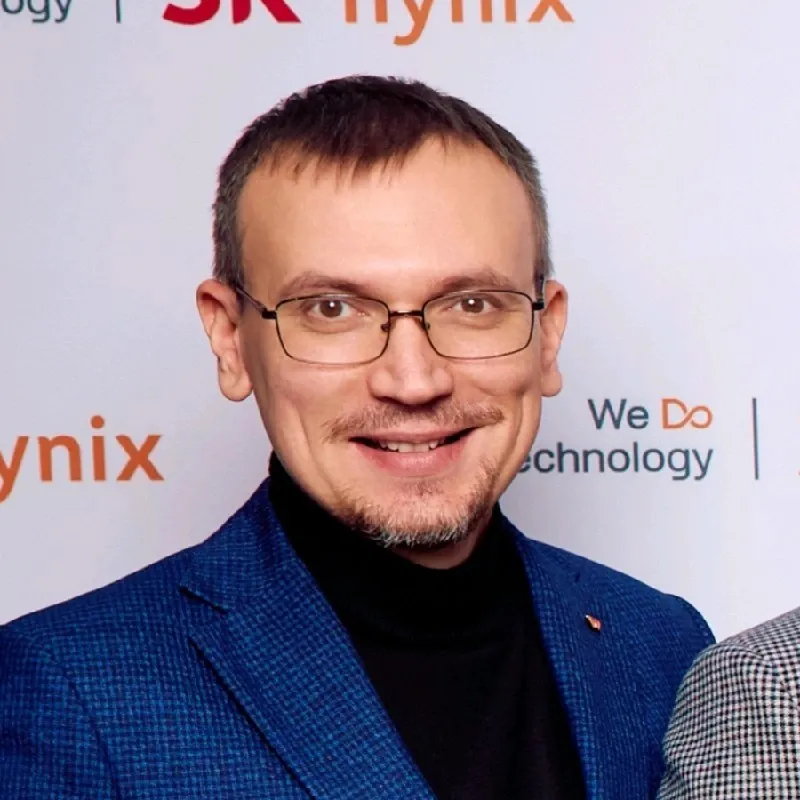
I'm a software engineer with nearly 20 years of experience building web platforms, distributed services and cloud-native back-ends. I currently lead a software development team at SK hynix memory solutions Poland, where my day-to-day work covers the design, development and maintenance of internal process automation systems. I hold a master's degree in Information Security from the Belarusian National Technical University.
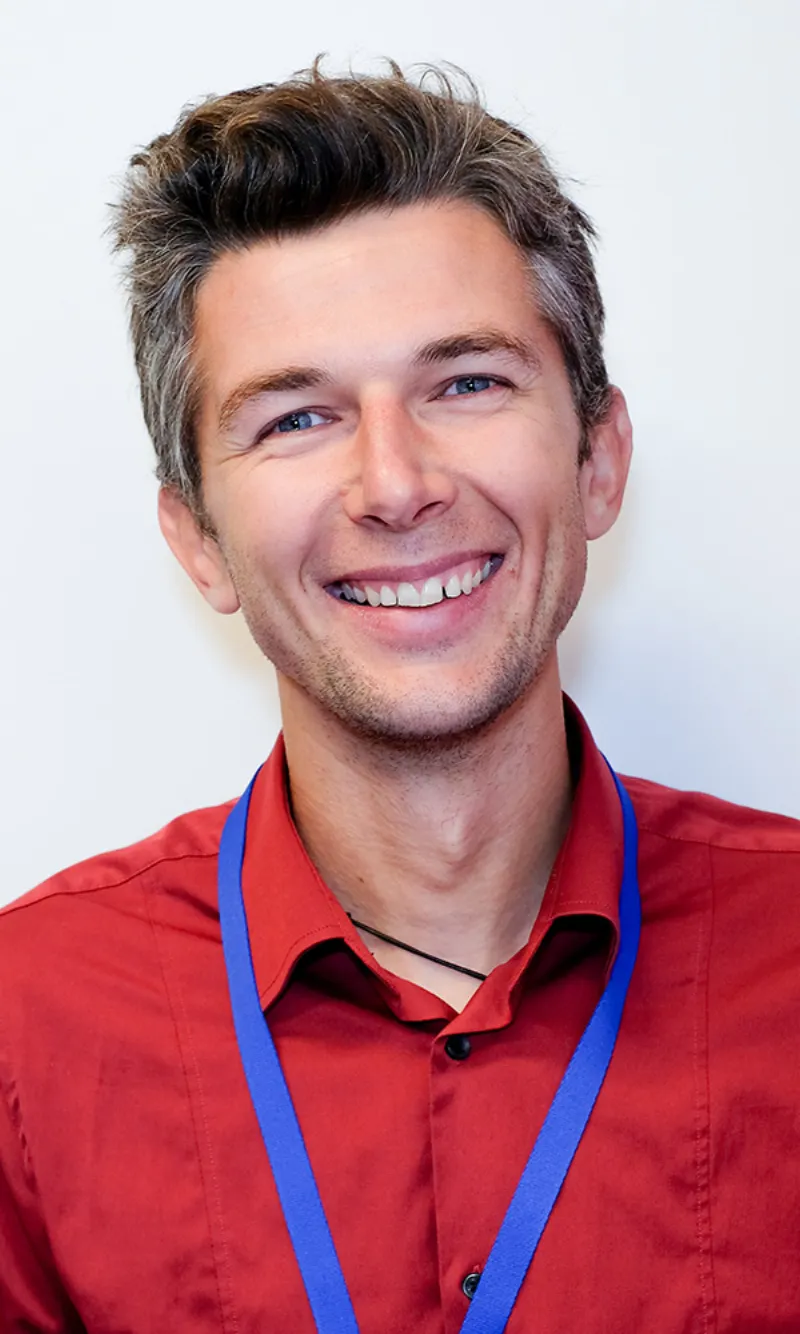
Innovation Tech Lead at Kainos, with over 15 years' experience delivering large-scale IT projects for international clients. He focuses on digital transformation, innovation, and the effective delivery of technology solutions for the public sector and digital health. He also supports collaboration between business, academia, startups and public institutions.
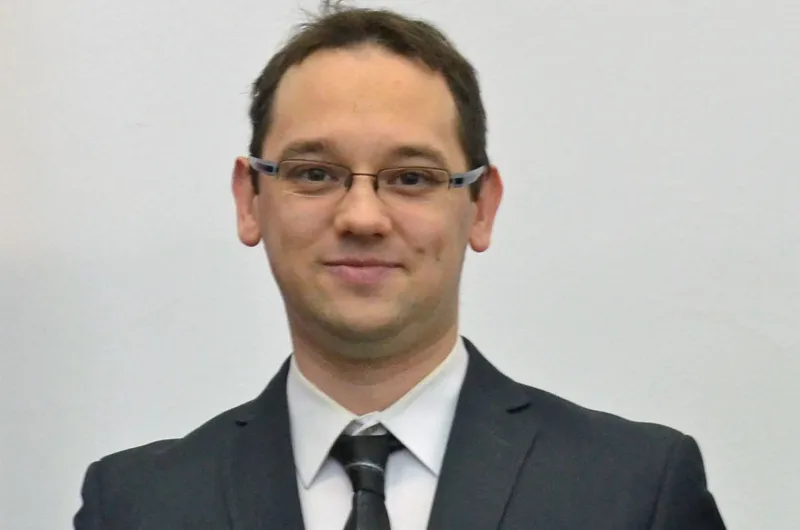
Dr Paweł Gora - Scientist, IT specialist, philanthropist, and entrepreneur working mainly on applications of AI and quantum computing, especially in transportation and medicine. A graduate of the Faculty of Mathematics, Informatics and Mechanics of the University of Warsaw (M.Sc. in Mathematics, M.Sc. in Computer Science, and Ph.D. in Computer Science), he was later a Postdoctoral Researcher at Sano and is now a Postdoctoral Researcher at Jagiellonian University. He is the Founder and CEO of Fundacja Quantum AI, Chairperson of the Board of QWorld, and Coordinator of one of its local QCousins, QPoland. He is also a member of the Board of the Quantum Technologies Committee of the National Chamber of Commerce. He also cooperates with several startups serving as a technical and business advisor. In the past, he worked as a software engineering intern or research intern at Microsoft, Google, CERN and IBM Research, and was a member of the Council for Digitalization.

A patent attorney and expert in intellectual property protection and innovation development. She specializes in preparing, implementing, and settling projects, including international ones, involving cooperation with multiple partners and securing funding for R&D activities.
She gained experience, among others, in the local government administration of the Pomeranian Voivodeship, where she participated in creating and implementing policies supporting innovation and R&D activities. She has worked with companies, universities, and business support institutions, developing initiatives that strengthen the regional innovation ecosystem.
As a mentor in numerous acceleration programs, she supports the development of startups and is also involved in working with students, helping them develop their competencies and translate ideas into concrete implementations.
She advises on commercialization and building IP strategies, using her knowledge of new technologies and project experience to effectively connect the worlds of science and business.

14 years ago I was soldering boards and writing code for microcontrollers. Today I run companies where that code has to be turned into a product, sold, and done without blowing the budget. I know that road between "I have an idea" and "I have a paying customer" better than most — especially when hardware, IoT, or regulated industries are involved, where a design flaw can kill a company before anything ever leaves the factory.
Bartosz Skelnik – an electronics and embedded expert who for over 12 years has been turning ideas into mass-produced electronic devices. He works by the rule "Minimum Viable Test before MVP." He designs to validate the business model as fast as possible, while keeping room for further development. He shows how to connect PCB, firmware, and the certification process with market realities. He helps structure processes and build R&D teams that consistently deliver results in the spirit of Agile and best practices. Day to day, he manages an international technology company that builds specialized medical devices.
Entrepreneur, manager, engineer. For over a dozen years he has designed electronic devices and embedded software, carrying ideas from vision through to product launch on the market. He can help with electronics, embedded systems and device connectivity, rapid prototyping, and turning a weekend prototype into something that still works after the hackathon. On the other hand, he'll look at your idea through the eyes of someone who runs companies and knows where they trip up: whether there's a real business behind the project or just a nice pitch, who's actually going to pay for it, and where the risks are hiding. He'll point out who you need to take care of and how to frame your message so it actually sells.
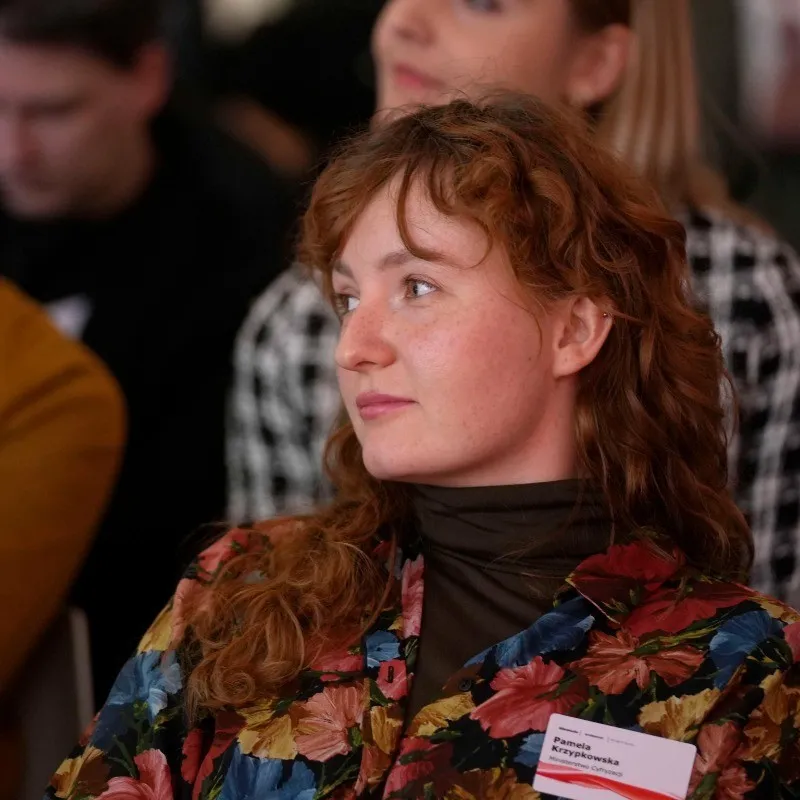
Pamela Krzypkowska is an expert in digitalization and artificial intelligence, specializing in the practical implementation of new technologies in public administration. She currently works at the Ministry of Digital Affairs, where she advises on the implementation of digital solutions and their application in public services as Deputy Director of the GovTech Poland Department.
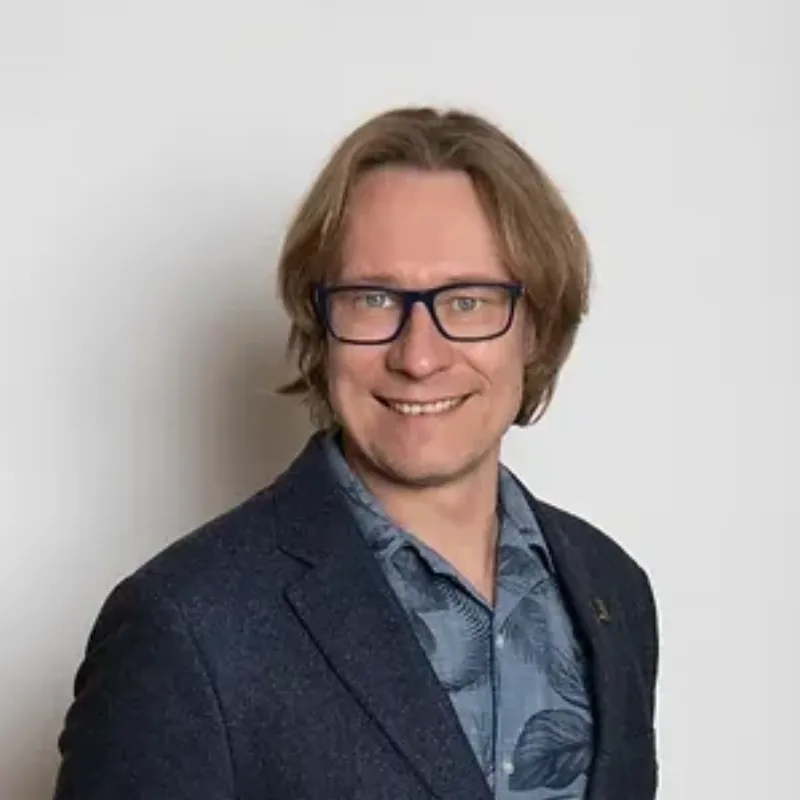
Marcin Pawłowski obtained his PhD in physics at University of Gdańsk in 2010. Later he worked as a post-doc at University of Bristol from which he returned to Gdańsk in 2013 to start his own research group. Currently he is the head of Quantum Cybersecurity and Communication group at International Centre for Theory of Quantum Technologies. He is an author of 70+ papers with h-index 28 and 2800+ citations (according to Google Scholar). The topics range from foundational experiments, through quantum cryptography to machine learning. His work focuses on simplification of quantum algorithms to make them more efficient and realizable with simpler experimental setups. He is also a founder of two startup companies: QCG - which delivers comprehensive cryptographic solutions, and SeQure Quantum - which builds device independent random number generators.
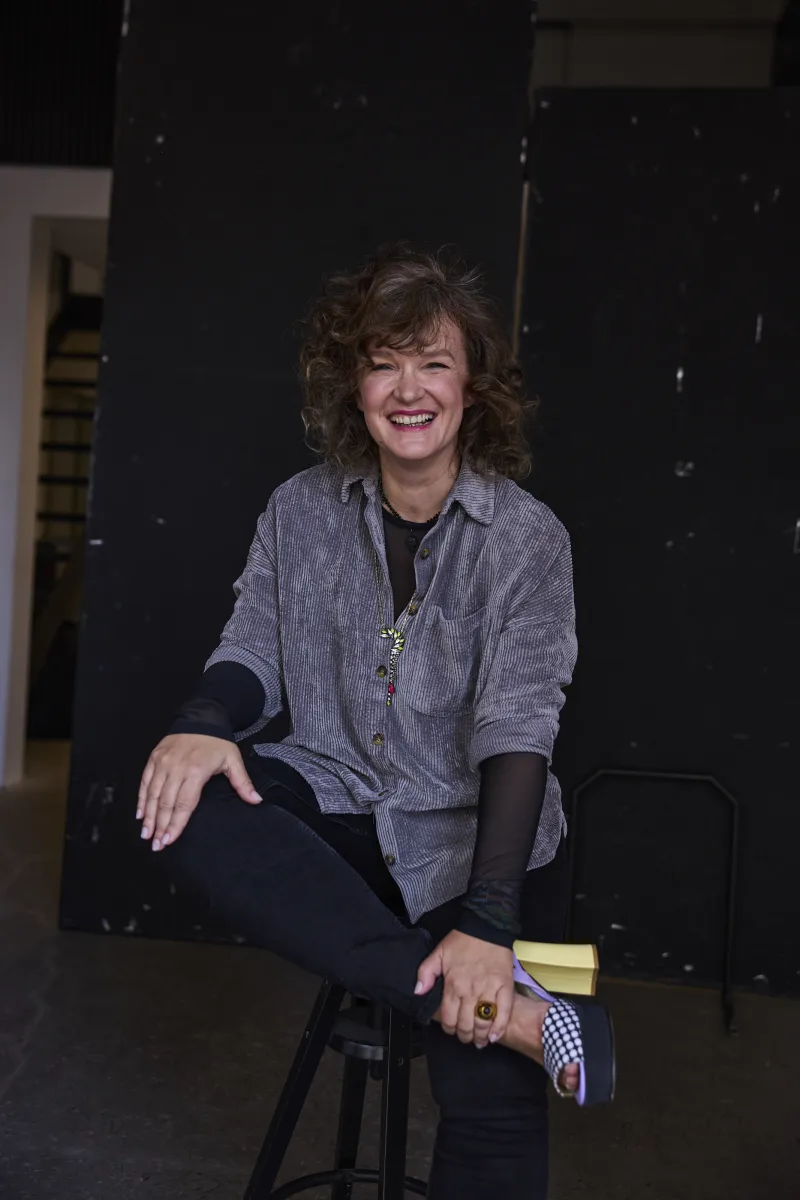
I advise companies and leaders on building the operational foundations that hold up under growth: strategy, operating model, leadership and AI implementation. I work with scale-ups through INCEPTI, with startups through SOS, and as an Innovation Coach under KIS 10, and with leaders as an accredited EMCC coach.
A leader with 18 years of experience in IT, combining a product, business and strategic perspective. She built her experience by aligning systems with clients' real business needs — from process automation to implementations that optimize how entire organizations run. Today she focuses on how privacy becomes a competitive advantage rather than just an obligation. She is responsible for building and scaling business models based on privacy-by-design.
President of the Board of the Interizon Foundation, coordinator of the Interizon National Key Cluster. He has over a dozen years of experience managing international and R&D projects. He is a member of the Economic Advisors Team to the Rector of Gdańsk University of Technology, the Economic Convent of the Daniel Fahrenheit Universities of Gdańsk Association, and the Program Council of the Regional Strategic Programme. He was one of the initiators behind the establishment of the Pomeranian Digital Innovation Hub, one of Poland's European Digital Innovation Hubs.
Dr Marcin Żmigrodzki. In the past: owner of an IT company, long-time project manager, director of a project and process management department at a bank, vice president of a manufacturing company, and portfolio director for startups. Award winner, including the .NET Initiative 2003 and six-time PMI Award. He is building Didascal, a knowledge-discovery system, and Verbal, an employee development platform. He heads postgraduate studies in requirements analysis and project management at Kozminski University. Author of the book "Zarządzanie projektami AI dla początkujących" (Managing AI Projects for Beginners).
Arek Kwoska is a recognized expert in startup acceleration and innovation ecosystem development, specializing in transforming early-stage ideas and MVPs into viable businesses. As the founder of Rebels Valley, he has achieved the remarkable distinction of placing his organization on the Financial Times Top Startup Hub list twice — making it the only Polish entity to receive this prestigious recognition multiple times.
A pioneer in bringing global acceleration practices to Poland, Arek is introducing Startupbootcamp — one of the world's leading startup accelerators — to the Polish ecosystem, significantly elevating the country's position on the international startup map.
His work focuses on guiding entrepreneurs through critical phases of business development, from concept validation to market entry and scaling. Rebels Valley has distinguished itself through its unique methodology combining corporate partnership development, value management, and practical business implementation.
Arek's expertise extends to designing acceleration programs that effectively convert promising concepts into sustainable companies. He emphasizes securing commercial partnerships as the foundation for growth rather than relying solely on investment capital.
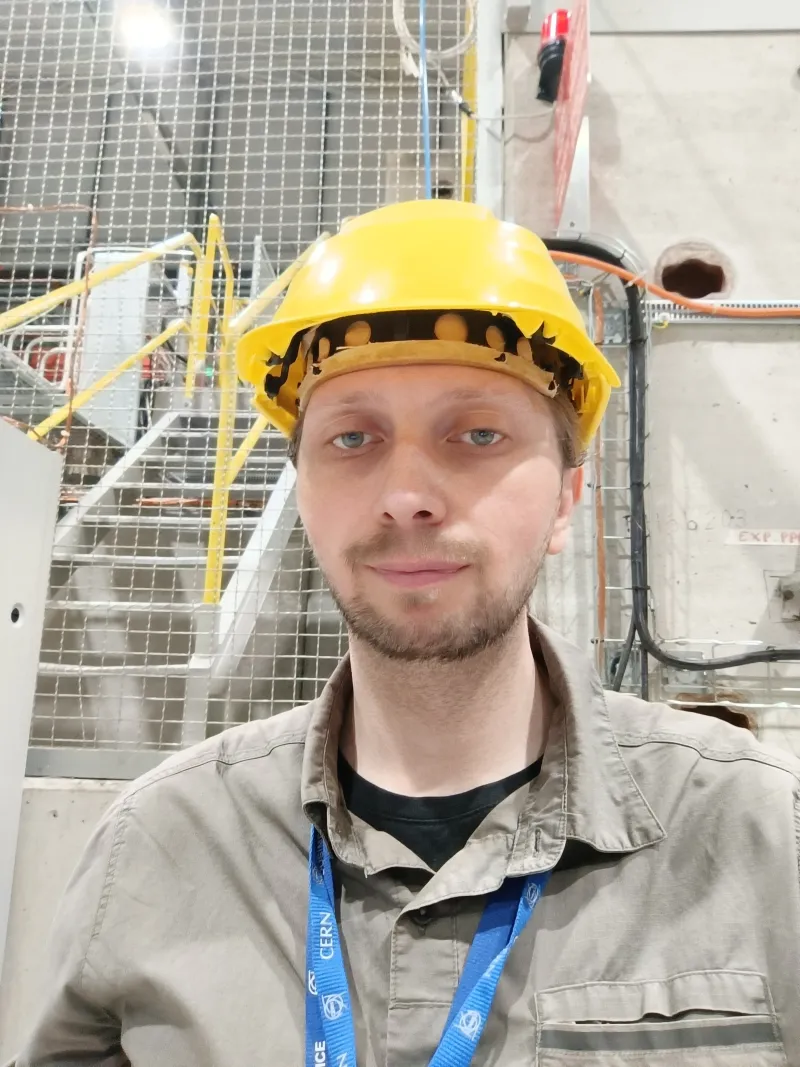
Błażej Roch Żyliński - Bridges the worlds of science and business. He creates and commercializes deep technologies (deeptech). He identifies and implements innovations. An R&D project manager with over ten years of experience.
An aerospace engineer with a master's degree in automation, robotics, and industrial computer science. He worked at the Satellite Mechatronics and Robotics Laboratory of the Space Research Centre of the Polish Academy of Sciences. He is a doctoral student at the Faculty of Physics, Warsaw University of Technology. His research interests focus on quantum technologies, with a particular emphasis on quantum sensors. He teaches project classes in "Startup Entrepreneurship" at Warsaw University of Technology.
He worked at the Satellite Mechatronics and Robotics Laboratory of the Space Research Centre of the Polish Academy of Sciences, where he worked on space robotics and space mining.
Co-creator of mTap Smart City, which delivers intelligent control systems for urban and road lighting. A collaborator of the Polish Development Fund. A business and technology mentor in numerous mentoring programs, including the Enhance+ project, which brings together 10 leading European technical universities such as TU Delft, ETH Zurich, and TU Berlin. A serial entrepreneur and active participant in the startup ecosystem. He is currently developing solutions in critical infrastructure security (QKZ) and technology open-source intelligence (Deep Tech Space).

Krzysztof Grotkowski is an expert in space technologies, Earth observation, and communication systems. For many years he has been involved in the advanced technology sector, and at the Polish Space Agency he is responsible for delivering strategic projects in satellite navigation and solutions based on satellite data and GIS. He serves as an advisor in the navigation working group on behalf of the Polish Delegation to the European Space Agency. He is actively involved in developing the space sector through educational activities and, on the organizational side, by co-creating conferences and industry events that promote the use of satellite technologies and build operational capabilities in crisis management. He has extensive experience in designing and implementing complex systems, educational platforms, and web services, including within projects under the Horizon Europe programme. As a manager responsible for transferring technology from academia to business, he coordinates numerous innovative R&D projects. In his professional work he combines competencies gained in business and administration with experience from the scientific sector, delivering key national and international projects from a security perspective.

Filip bridges the gap between complex technology and the people who use it. He oversees technical documentation, crafts UI copy for internal products, and supports clients through pilot deployments – making sure nothing gets lost in translation.
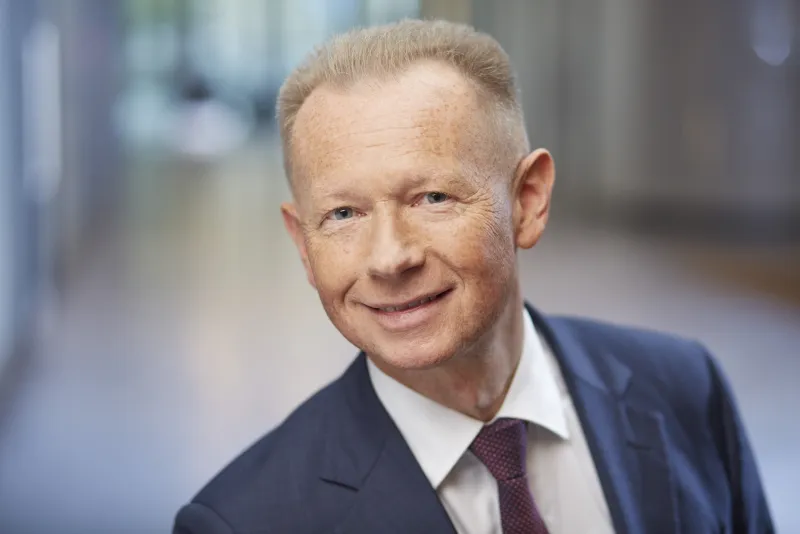
Marek Moszyński is a graduate of Gdańsk University of Technology, where he earned his master's degree (1988), PhD (1997), and habilitation (2006) in computer engineering and telecommunications.
He has been a professor at Gdańsk University of Technology since 2007; from 2008 to 2016 he served as Vice-Dean for Development at the Faculty of Electronics, Telecommunications and Informatics. He is the author and co-author of more than 150 scientific papers. He serves as the Rector's Plenipotentiary for the Development of Space Technologies.
From 1995 to 2006 he collaborated with the American company Biosonics, Inc. on processing hydroacoustic data and its use in Earth observation. He led two international ESA projects (SafeCityGis with the City of Gdańsk, DPCTM with GMV) as well as national projects, including "Fleet++", funded by the National Centre for Research and Development (2014–2016). He also led the project to build the Pomeranian ICT Cluster (2009–2012), which now operates as Interizon with the status of a National Key Cluster.
His expertise spans signal processing, embedded systems, computer architectures, programming, geoinformatics, remote sensing, hydroacoustics (including fisheries acoustics), and methods for object classification and information extraction.
From 2015 to 2021 he served as Vice President for Science at the Polish Space Agency, coordinating the development of the sector's educational and research potential. He currently works at the Agency as an expert in the Baltic Sea Monitoring Department (Department of Earth Monitoring, Communication and Navigation).
He is Poland's delegate to the ESA Industrial Policy Advisory Committee (IPC-THAG), Chairman of the Academic Space Network (bringing together more than 25 universities and institutes), and Chairman of the Polish Committee for Standardization's task committee on terminology for space and satellite technologies.

Michał is a software developer at Simplito with a background in signal processing and scientific software development. He specializes in Python, LLMs, and data processing. For the past three years, he has been working on DeepFellow - an infrastructure framework for building and orchestrating private AI environments, helping developers create transparent, auditable AI products on their own terms. Before moving into industry, Michał spent six years in academia as a neuroinformatics researcher and university teacher. He holds a PhD for work on modelling brain dynamics from the spectral features of MEG/EEG signals, and worked across EEG, MEG and MRI data - source reconstruction, spectral fingerprinting, tensor decompositions. He co-authored peer-reviewed publications, took part in international research projects, and taught signal processing, data analysis, and programming. Scholar: https://scholar.google.com/citations?user=vdusSBYAAAAJ&hl=pl

She works on developing, maintaining, integrating, and improving Space Surveillance and Tracking (SST) systems. These systems use optical sensors in various countries to monitor objects in space around the Earth.
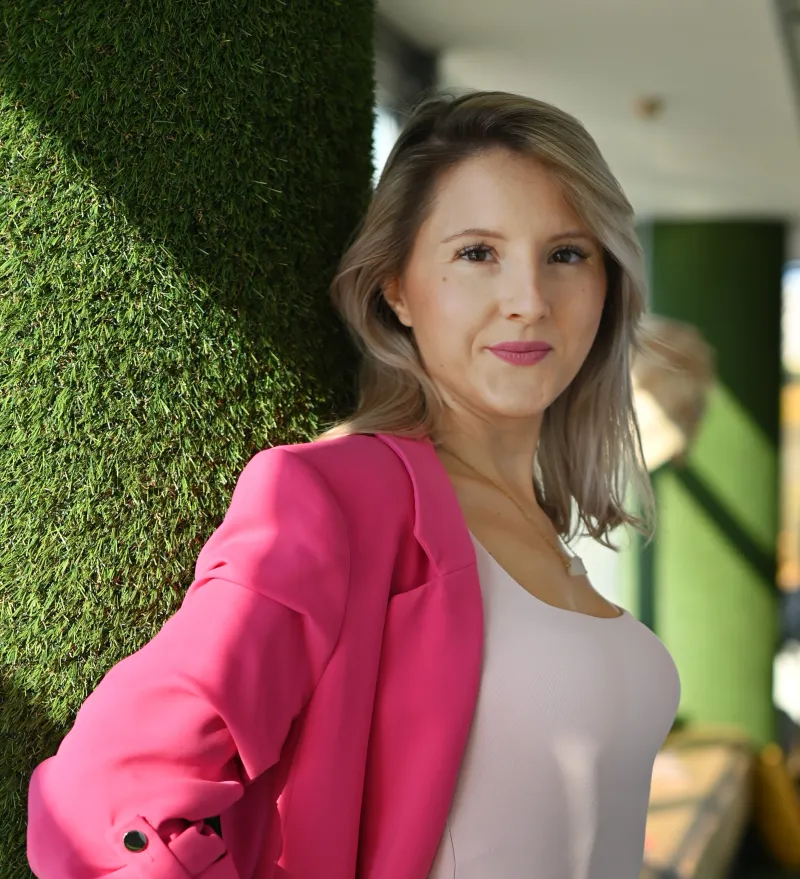
She has been supporting the development of the innovation ecosystem in Northern Poland since 2016, with a strong focus on startups, entrepreneurship and collaboration between business and science. As Head of the Entrepreneurship and Innovation Support Team at the Pomeranian Special Economic Zone, she works with startups, businesses and ecosystem partners to help innovative ideas grow and reach the market. She is an experienced startup mentor and a public speaking and pitching expert, regularly serving as a jury member in startup competitions and chairing the Enterprise Evaluation Committee at the Gdańsk Science and Technology Park. She is passionate about helping entrepreneurs turn strong ideas into compelling stories, confident pitches and real business impact.
As a mentor, she focuses on pitching and storytelling – helping teams turn their idea into a clear, compelling and convincing pitch – as well as on public speaking, improving presentation skills, confidence, structure and delivery. She also helps teams build a strong value proposition, clearly explaining what problem they solve, for whom, and why their solution matters, and looks at ideas from a business perspective, challenging assumptions and helping identify their market potential. Before the final demo, she helps refine the pitch structure and key messages, and thanks to her jury experience she can prepare teams for tough questions and show them how to present their idea in a way that resonates with judges, partners or investors. Her focus as a mentor is helping teams transform a good idea into a clear story, a strong value proposition and a convincing pitch.
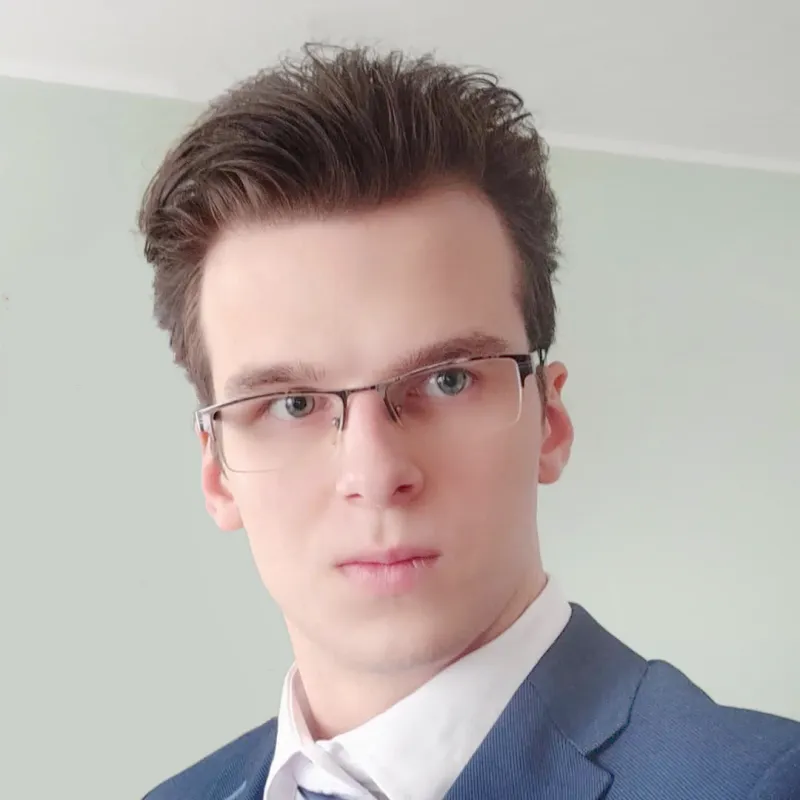
Adam Pawłowski has two years' experience as a software engineer developing DeepFellow. He specializes in building scalable, high-performance Python AI and LLM-driven apps and async solutions with FastAPI and Docker. His technical focus includes web scraping and automated text processing, alongside a strong secondary skill in graphic design.
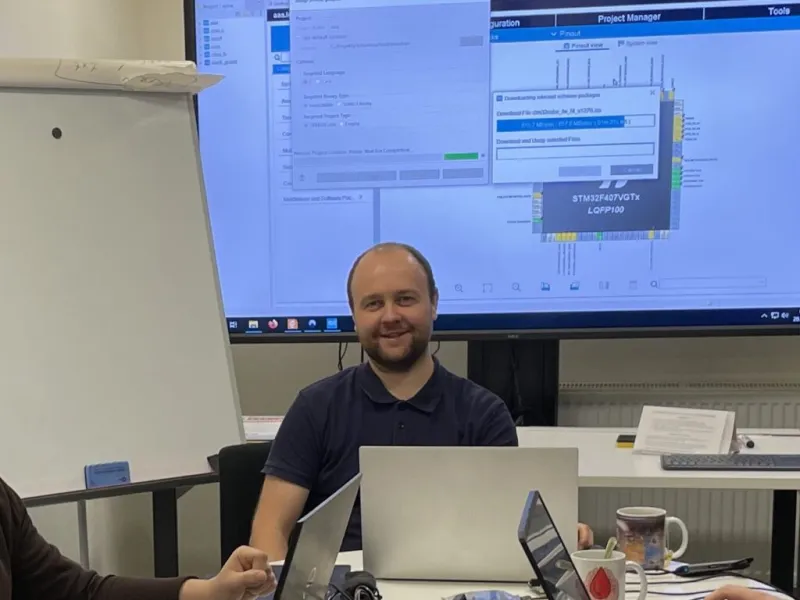
He has been programming embedded systems since 2012. He has worked on projects for the railway, medical, automotive, IoT, and building automation industries. He gained experience both in startups and large organizations, developing software for systems where reliability and quality are critical.
He actively grows the embedded community in Poland. He organizes the Gdańsk Embedded Meetup, runs training courses for developers, authors a blog and YouTube channel dedicated to embedded systems, and has already trained more than 1,000 engineers.
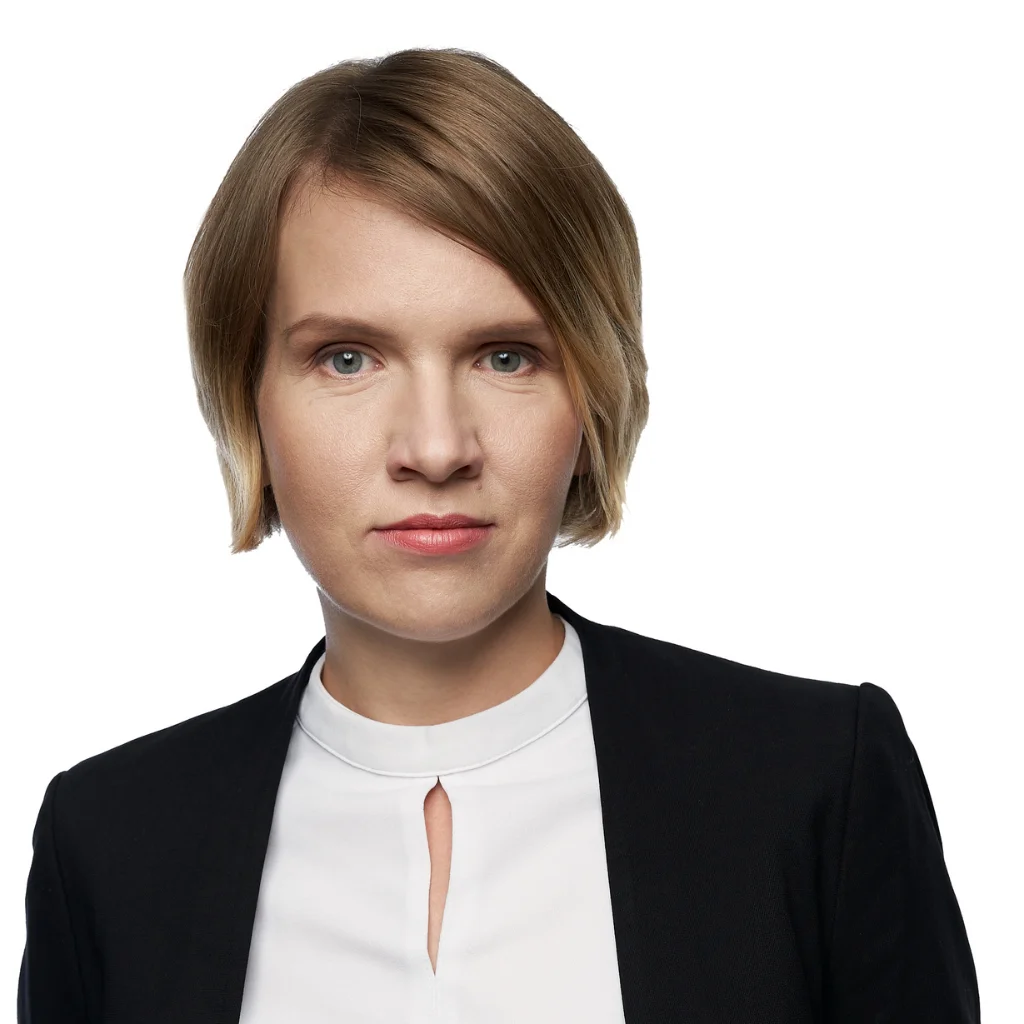
An attorney-at-law with experience in protecting and enforcing intellectual property rights, including ongoing legal support for companies in the technology sector. She advises in particular on organizing rights to key intangible assets, preparing and reviewing contractual documentation, and safeguarding interests in relationships with partners, collaborators, and teams developing technology solutions.
She combines a legal perspective with an understanding of startup specifics, including challenges related to protecting know-how, intellectual property, relationships between founders, preparing for scaling, and due diligence processes and cooperation with investors.
She is the author of publications on technology and innovation topics, and a speaker at educational initiatives and workshops. She is also involved in acceleration programs supporting the development of startups and innovative projects.
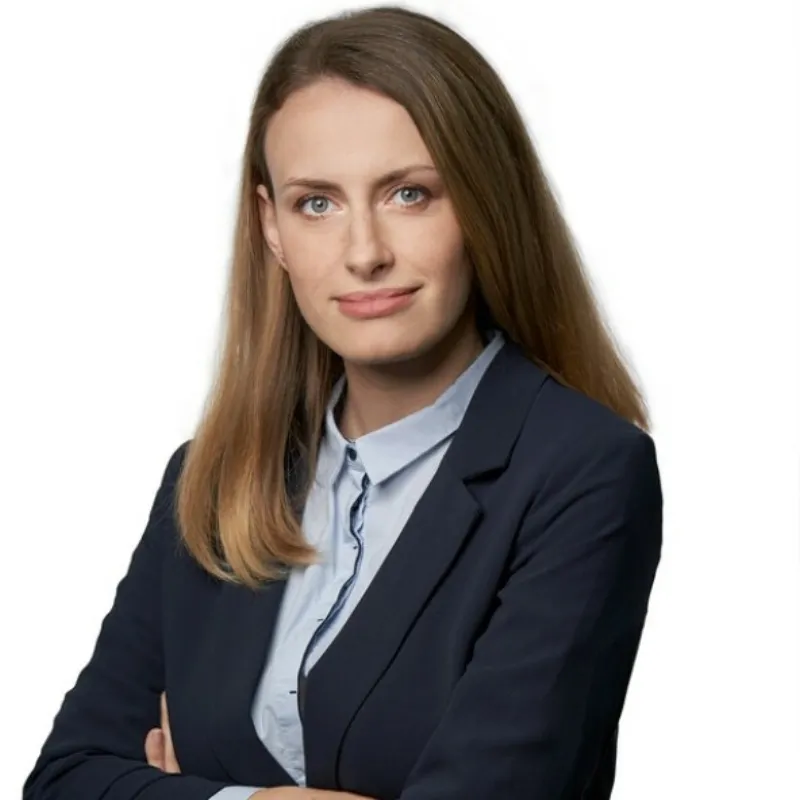
A patent attorney with extensive experience in supporting innovation and the protection of technological developments. She advises companies, universities, research organizations, and startups on intellectual property management, patent protection strategies, and the commercialization of innovative solutions. Her expertise covers a broad range of technologies, particularly in chemistry, biotechnology, pharmaceuticals, materials engineering, and life sciences. She supports clients in building and managing patent portfolios, developing IP strategies, and securing intellectual property rights in international markets.

Co-Founder of Vulkos, focused on getting everyone their first steps into chip design.
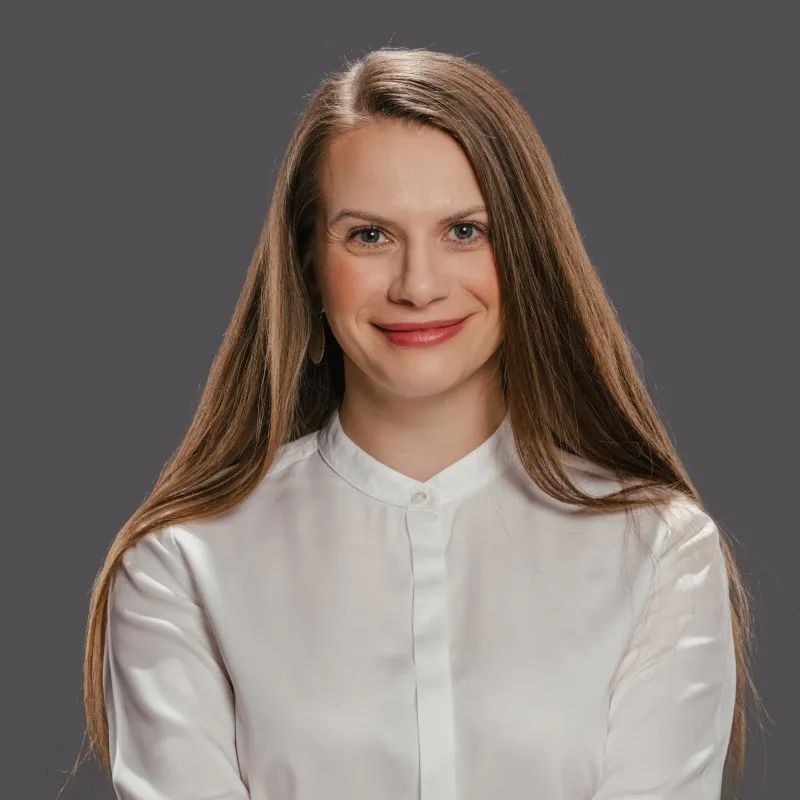
Anna is a CEO of Quantum Security Defence Ltd where her leadership fosters global education with the LMS platform qsecdef.com, business growth of quantum technology providers through visibility strategy and media presence, and the adoption of quantum by governments and industry through advisory work. She is also leading, as CEO, the Bremen-based deeptech startup QuantumPrime, working on entanglement-based inter-celestial intelligent communication networks.
She holds an extensive academic background that includes two master's degrees, one in Nanomaterials and the other in Quantum Field Theory. Having lived and worked in 6 different countries on 3 continents, she has practical international industrial and IP experience. She serves on the board of advisors of one cybersecurity company and two blockchain companies.
In 2025 she won three entrepreneurship awards: the Femtum Leap Award: Rising Star (2025) at the Quantum Innovation Summit in Dubai organized by Vernewell Group; she was named among the Top 10 Women in Engineering in Poland (2025) by Perspektywy Women in Tech, winning in the entrepreneurship category; and she was included in the Hot 10 (2025) by Quantum.Tech in Rotterdam as a leading global voice in quantum.
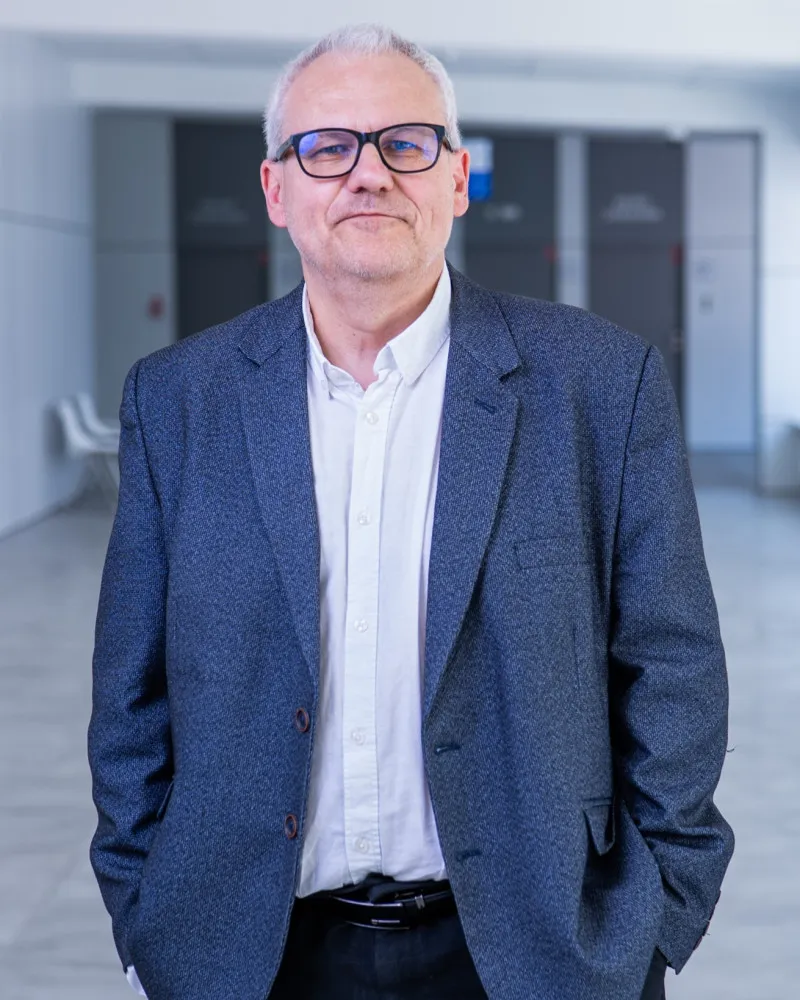
Marcin Marciniak is a mathematician at the University of Gdańsk, where he currently serves as Dean of the Faculty of Mathematics, Physics and Informatics. He is also a professor at the Institute of Theoretical Physics and Astrophysics, heading the Department of Mathematical Methods of Physics. He earned his PhD in 1998, defending a dissertation on quantum groups. Since then, his scientific career has been linked to mathematical physics, with a particular focus on functional analysis, operator algebras, and their applications in quantum mechanics and quantum information theory. His research centers on positive maps, quantum control theory, and quantum entanglement.
She is an expert in innovation and R&D project financing. For almost 14 years she has been supporting companies and technology startups in developing innovative ventures, building business models, and securing funding at both the national and European level.
Physicist, pioneered the theory of quantum entanglement, and contributed to quantum cryptography and quantum communication. He also developed quantum thermodynamics, and worked on quantum heat engines.

Working at the Vulkos workshop to help people use the Vulkos tools to design custom silicon.
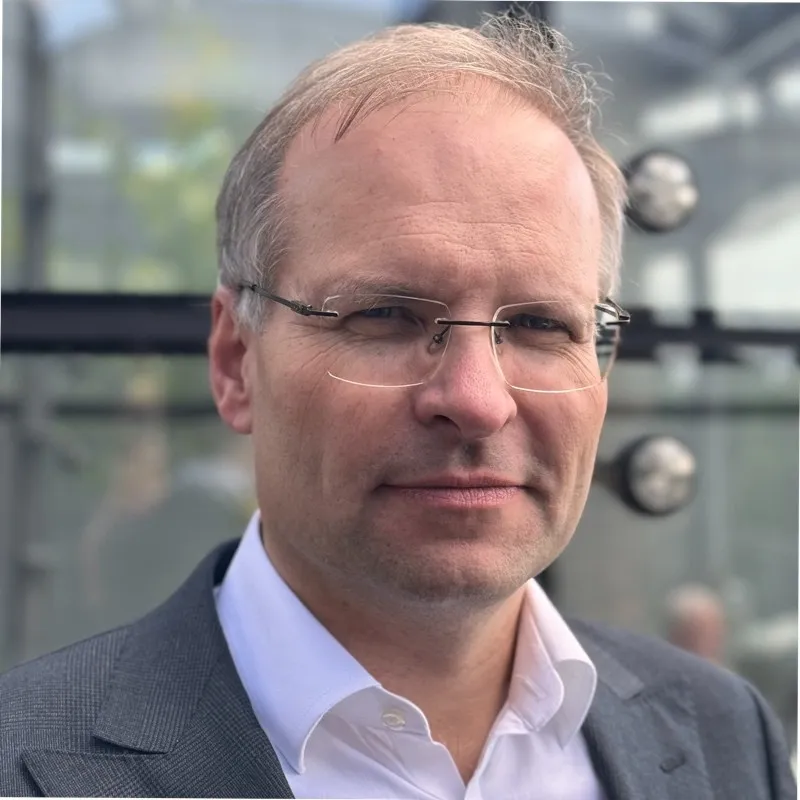
CFO at BCT – Baltic Container Terminal in Gdynia. He scaled the terminal's capacity from 400k to 1M TEUs and has delivered mega-projects with over $100M in capex, on time and on budget, applying lean innovation methods. He holds a PhD and works in data science, using AI, R, and Python.
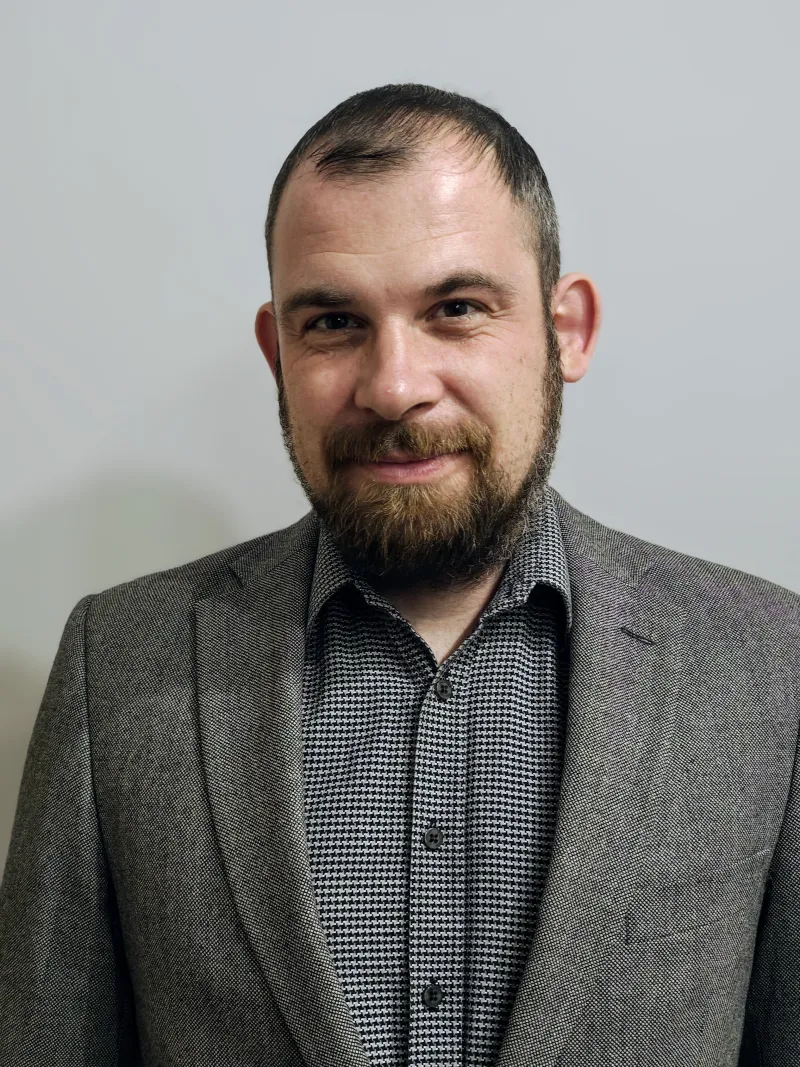
Since 2011, an advisor at the Pomeranian branch of the Enterprise Europe Network. He deals with internationalization issues – finding business and technology partners at home and abroad, organizing international B2B meetings and trade missions, and identifying sources of project funding.

Full-stack developer at Simplito, specializing in UI design and implementation. On a daily basis, he focuses on making applications intuitive and maintaining code quality. He also collaborates with the team on developing and implementing new features.
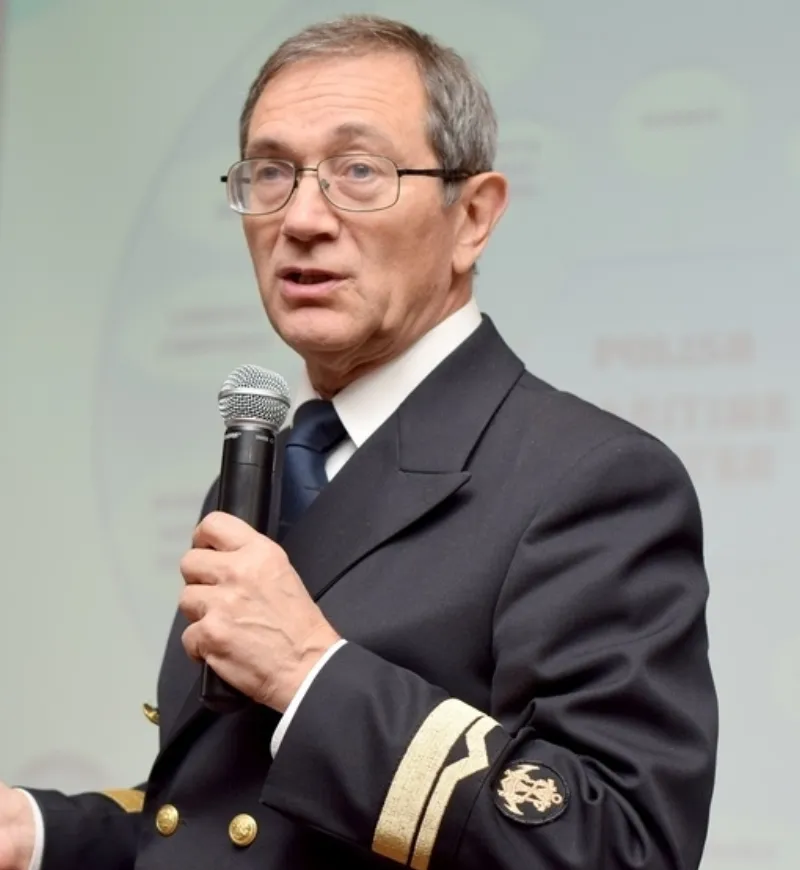
Dr hab. Eng. Marek Grzybowski is Professor emeritus at Gdynia Maritime University and Chairman of the Board of the Baltic Maritime and Space Cluster (BSSC), a cluster of Maritime Industry 4.0 hubs and an associated business partner of the European University of the Seas – SEA-EU Alliance. He works on economics and management in the maritime economy and on developing innovative economies in the Baltic Sea Region, focusing in particular on knowledge transfer and the creation and implementation of innovations in the maritime and space industries.
He chairs the Polish Nautological Society, coordinates the Baltic Sea Publicists Club at BSSC, and serves as Editor-in-Chief of "Internet Manager" and "Transfer Wiedzy" (Knowledge Transfer). As a member of the Athens Institute for Education and Research, he takes part in international research on the global maritime economy, and he is a regular contributor to GospodarkaMorska.pl and Namiary na Morze i Handel.
He manages the Polish part of the I3-4-BlueGrowth and BLUEDOTS projects, and previously coordinated work on autonomous, low-emission and electric-propulsion vessels within the GALATEA and ZEV Innovation projects (Smart Port, Smart Shipyard, Smart Ship). He has taken part in numerous international projects under Horizon 2020, Norway Grants, Erasmus, Leonardo da Vinci, Interreg and Interreg South Baltic, as well as the Swedish Institute's Baltic Leadership Program on Smart Specialisation. He has supervised over 630 bachelor's and master's theses and two doctoral degrees, and is the author and editor of 14 books and reports and more than 900 scientific articles.
An independent advisor working at the intersection of technology and business. I support companies and teams in AI, venture building, go-to-market strategy, strategic partnerships, B2B sales, and negotiation. I help translate ideas and technological solutions into real business value, an operating model, and a path to market.
Senior international relations and space policy professional with over 20 years of experience representing public institutions in European and international environments. Extensive expertise in diplomacy, multilateral cooperation, geopolitical analysis, external stakeholder engagement and strategic policy development. Currently serving as Chief Expert at the Polish Space Agency, advising on European space governance and coordinating strategic initiatives, in particular related to the Baltic Sea region. Recognised for building trusted institutional partnerships, institutional engagements across multicultural environments and translating complex international developments into actionable policy recommendations.
Creators of Rattlesnake – Kinetic Drone Defence System.