Digital Design Fundamentals with Vulkos
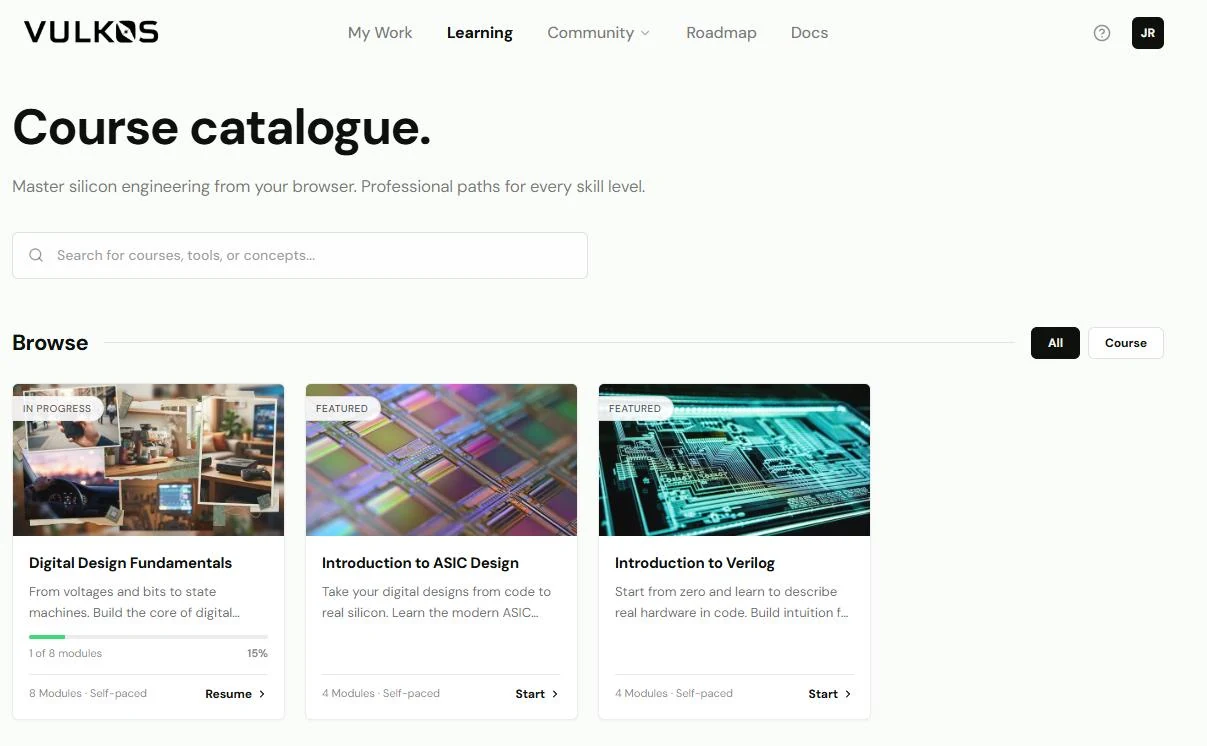
Start with the core digital design learning path:
-
Digital Design Fundamentalsvulkos.co.uk/learn/digital-design-fundamentals
-
Introduction to ASIC Designvulkos.co.uk/learn/intro-to-asic-design
-
Introduction to Verilogvulkos.co.uk/learn/intro-to-verilog
These courses provide an excellent foundation in digital design, ASIC development, and hardware description languages.
Build a RISC-V CPU from Scratch
Once you've completed the introductory material, continue with the highly recommended RISC-V CPU design course:
-
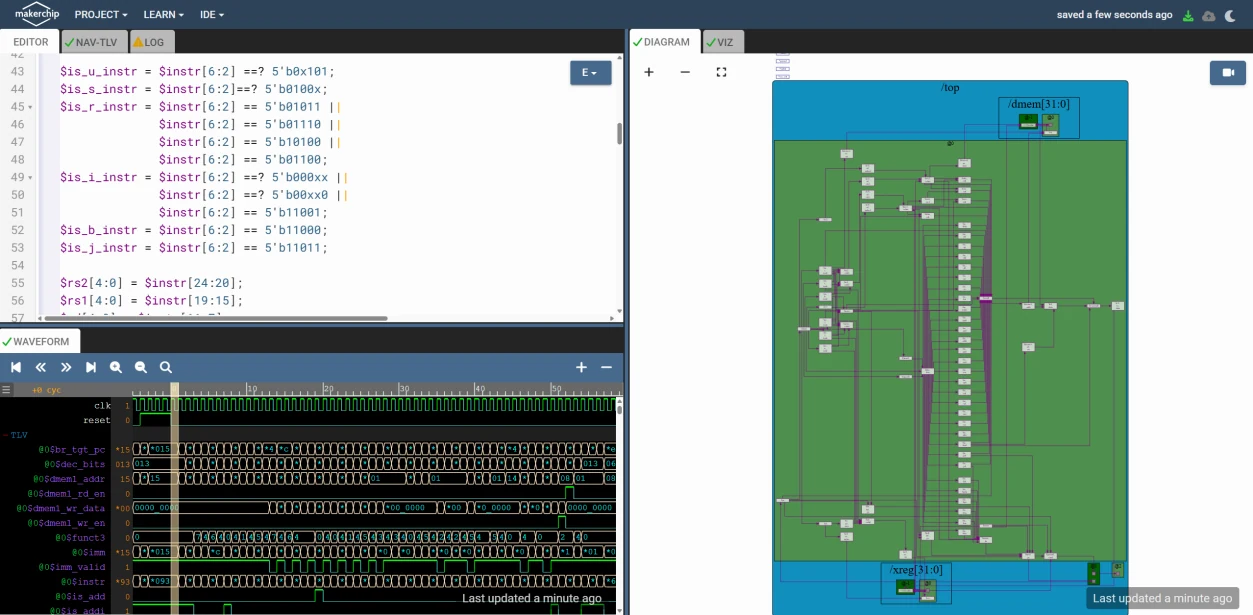
Building a RISC-V CPU Core — zero to herogithub.com/stevehoover/LF-Building-a-RISC-V-CPU-Core-Course
This "zero-to-hero" course walks you through the complete process of designing a CPU based on the RISC-V architecture. It is normally valued at approximately €170, but is available free of charge on the course author's GitHub site.
Tiny Tapeout Workshops
The Tiny Tapeout workshops form the foundation of the IEEE Open Silicon Bootcamp curriculum.
-
Basic Workshop — learn the gate-level design flowtinytapeout.com/guides/workshop
-
Advanced Workshop — Verilog-driven design flowstinytapeout.com/guides/advanced-workshop
The Basic Workshop teaches the complete gate-level design flow and how digital circuits are transformed into silicon. The Advanced Workshop moves beyond basic logic design and works with Verilog-driven design flows and more advanced implementation techniques.
Open-Source EDA Tool Suite Installation
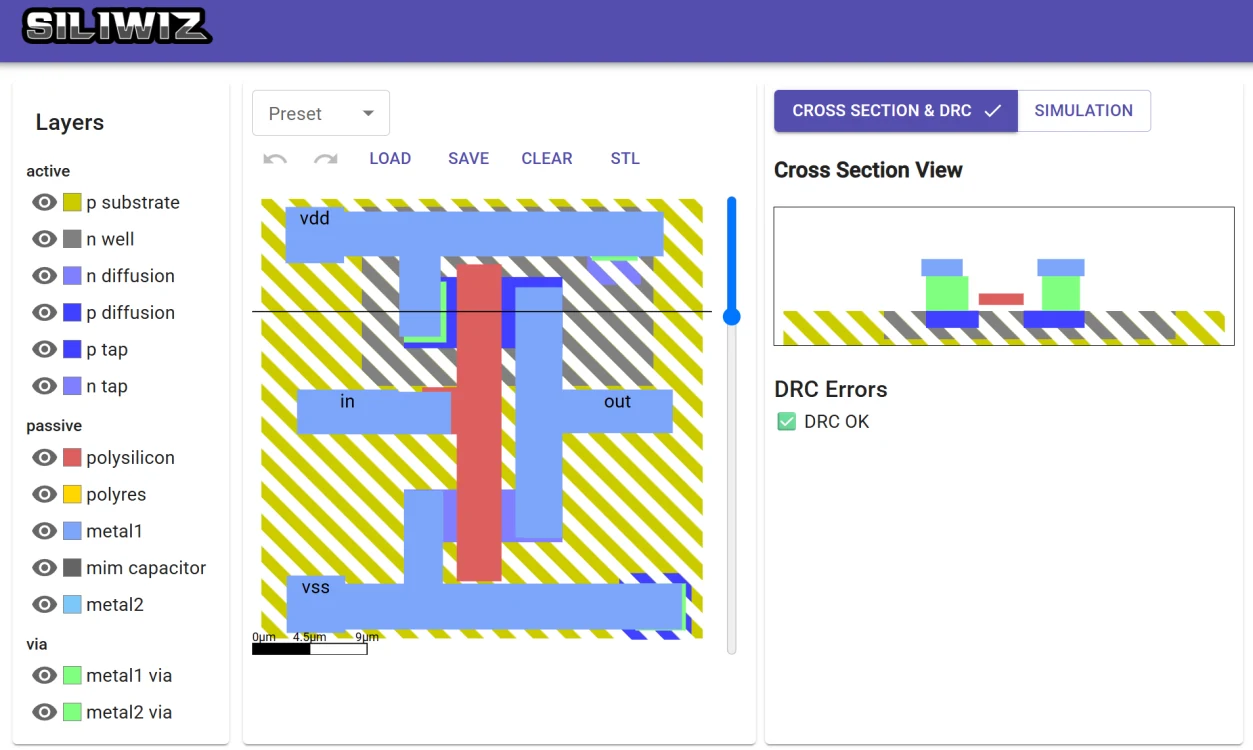
To work with professional-grade semiconductor design tools, we recommend installing the IIC Open-Source IC tools environment:
-
IIC Open-Source IC Toolsgithub.com/iic-jku/iic-osic-tools
The preferred setup is:
- Linux
- Windows Subsystem for Linux (WSL)
The toolset also works on Windows when using Docker.
Analog IC Design
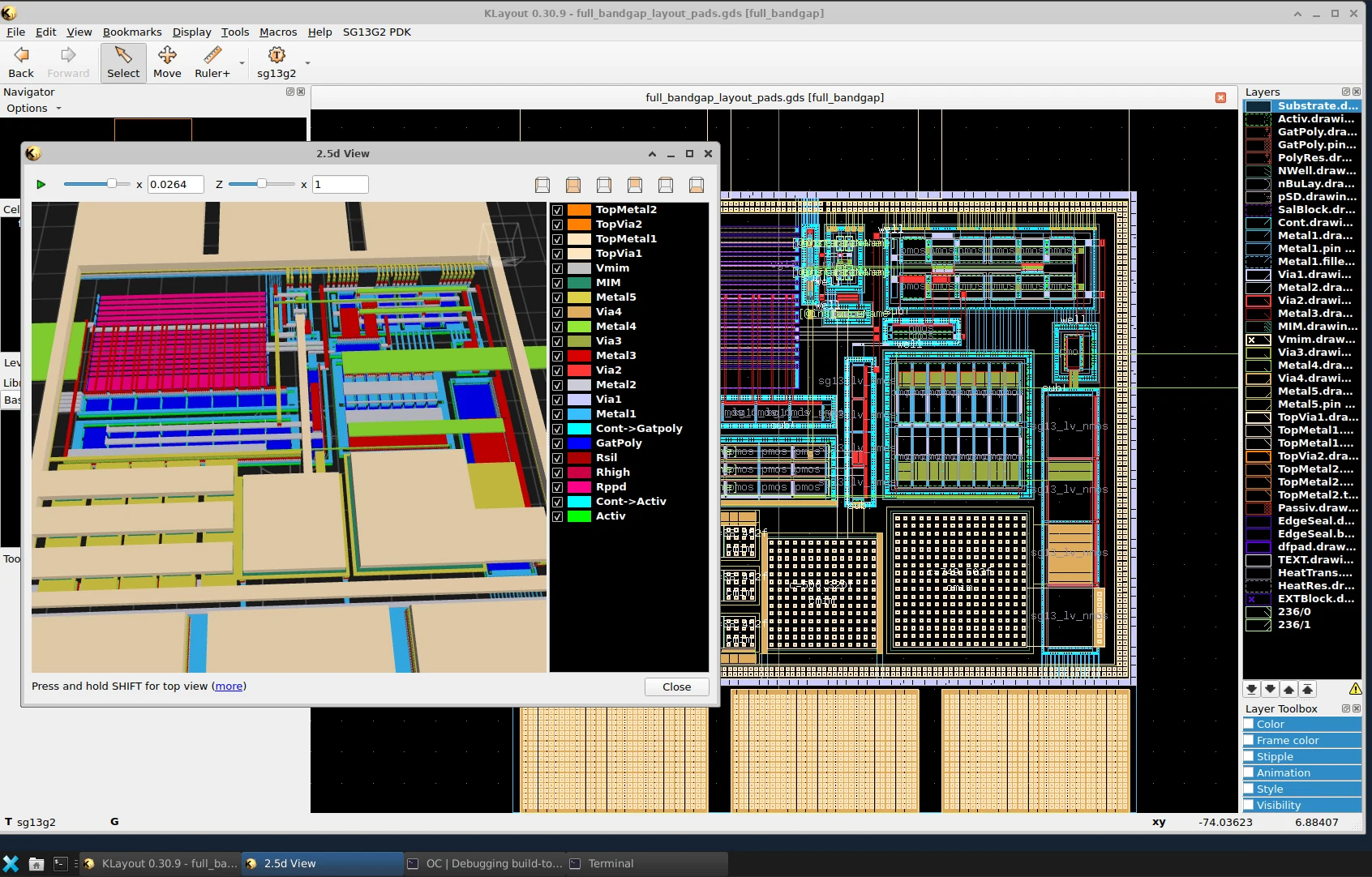
For those interested in analog and mixed-signal design, the IHP Analog Academy provides an excellent starting point:
-
IHP Analog Academygithub.com/IHP-GmbH/IHP-AnalogAcademy
This course introduces analog design concepts and practical workflows used in semiconductor development.
Fast Circuit Simulation
For quick experiments and concept validation, we personally recommend:
-
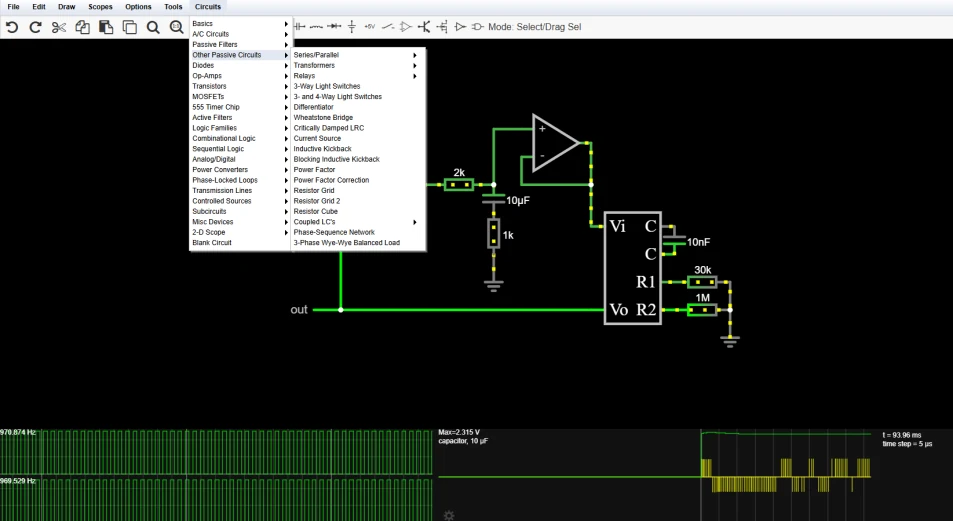
Falstad Circuit Simulatorfalstad.com/circuit/circuitjs.html
Don't let the simple interface fool you. Falstad includes an impressive range of circuit architectures and concepts that professional chip designers encounter in everyday work.
System-Level Design and Signal Processing
To explore system modeling, simulation, and signal processing workflows, start with PathSim:
-
PathSim — Main Websitepathsim.org
-
FMCW Radar Examplepathsim.readthedocs.io/en/v0.16.7/examples/fmcw_radar.html
PathSim is a great platform for understanding system-level behavior before moving into hardware implementation. The FMCW radar example is particularly useful for those interested in sensing, communications, and dual-use technology applications.
Suggested Learning Path
- Vulkos Digital Design Fundamentals
- Intro to ASIC Design
- Intro to Verilog
- Tiny Tapeout Basic Workshop
- Tiny Tapeout Advanced Workshop
- Build a RISC-V CPU Core
- Install the Open Source EDA Tool Suite
- Explore Analog Design with IHP Analog Academy
- Experiment with the Falstad Circuit Simulator
- Learn System-Level Modeling with PathSim
By following this path, you'll arrive at Chipathon 2026 with a solid understanding of digital design, semiconductor workflows, hardware description languages, CPU architecture, analog design, and system-level modeling.
See you on Chipathon 2026!

Open Silicon Bootcamp Resources (PDF)
All 7 sections, every link and the suggested learning path in one document — save it for offline reading.
